
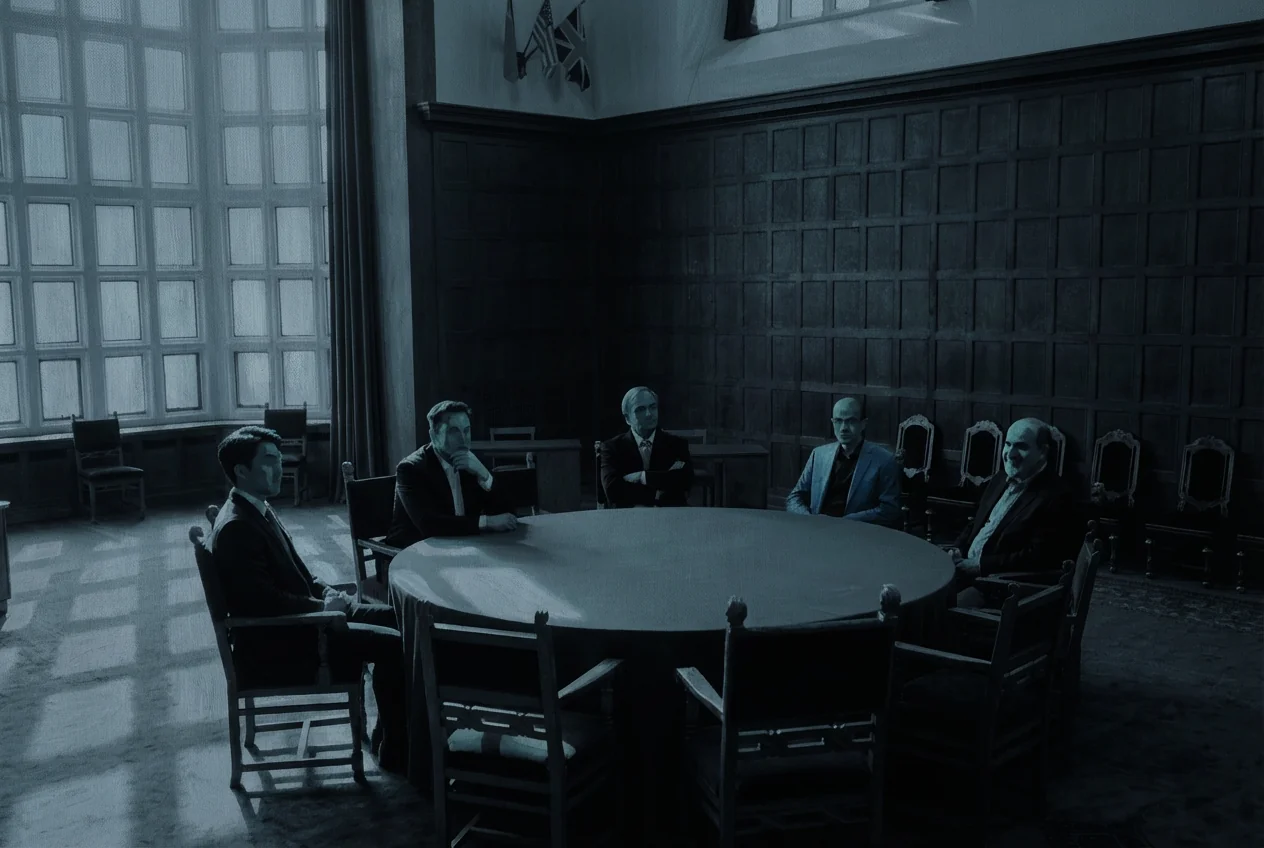
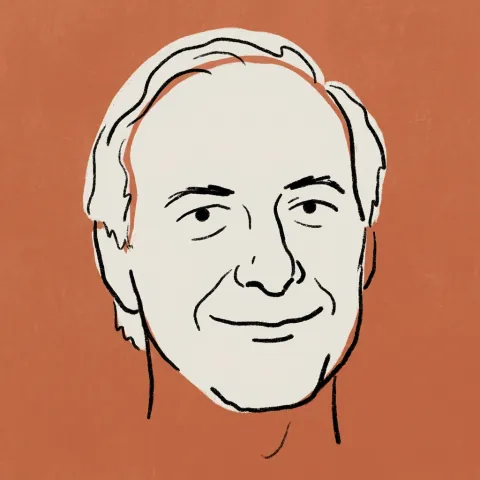
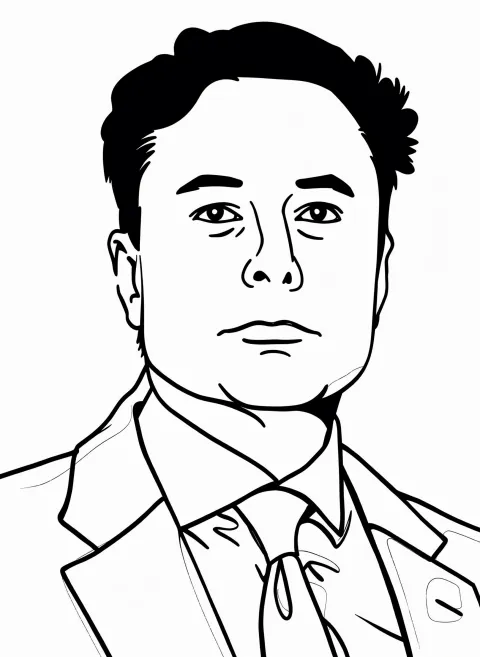
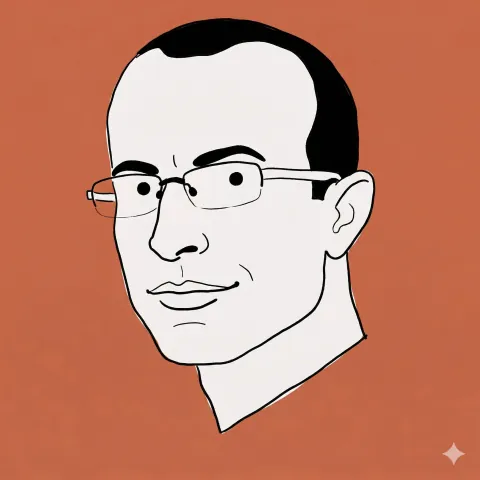
Wittgenstein rewired how I see language — as a tool to describe, theorize, and organize the world. Musk taught me to sit with myself and reason from first principles. Taleb taught me to think in probability, to embrace uncertainty, to build systems that grow stronger under stress.
I’ve spent most of my life doing this: absorbing the operating systems of the greatest minds I could find. Their frameworks. Their modes of perception. The lenses through which they see problems that others miss and solutions that others can’t imagine.
For most of history, this kind of knowledge remained locked away. You could read their books, study their work, but you couldn’t truly work alongside them. You couldn’t have Feynman help you reason through a physics problem in real time. You couldn’t bring Wittgenstein’s lens to bear on a decision at the moment you needed it most.
That world is ending.
The Activation Threshold
Language models have crossed a threshold: for the first time, we can reconstruct and activate the thinking patterns of humanity’s greatest minds.
As dynamic collaborators that bring frameworks to bear in the moment you need them. The knowledge has always existed. The computational capacity to animate it now exists too. What’s emerging is the infrastructure to connect them: to make the accumulated intellectual wealth of civilization genuinely useful at the moment it matters.
But the model alone isn’t enough. These intelligent electricities need to be made available, wired into the systems where knowledge lives, so they can reach the people and contexts that need them. Activation requires infrastructure.
The Curatorial Imperative
If knowledge can be activated at scale, if brilliant frameworks can be applied computationally. What’s left for us?
Everything that matters. The ultimate human capacity is curatorial intelligence. Taste. Perspective. The instinct for which framework applies when, and why. No model will replicate the judgment that comes from lived experience, from struggle, from pattern recognition forged across domains.
Computation will be abundant. Information will be everywhere. But taste is cultivated. No model generates it. The lens through which you see the world, your perspective, your instinct for what matters, is the one capacity that deepens with use.
These minds can imitate brilliance. They can build on it. But the person who chooses which brilliance to bring to bear, who shapes the lens, who curates the perspective, becomes irreplaceable. Every collaboration with a great mind sharpens your own.
Valuable Perspectives at Civilizational Scale
For every person to cultivate their taste, sharpen their lens, and develop their own curatorial brilliance. We need infrastructure.
Infrastructure that brings the right minds into the right moments. That makes the world’s best frameworks available and activateable, so people can focus on what only they can do: choosing what matters.
This is what Curation Labs is building. We amplify the human capacity for valuable beliefs and perspectives. Perspective, unlike information, compound through use. The individuals who cultivate their lens will shape what comes next. The communities that invest in curatorial capacity will produce legacies worth studying.
Our first experiment is ohmybeliefs.com, where great minds’ thinking patterns and perspectives become navigable knowledge maps. It is the best interface we have so far to the lenses behind the work we admire.
In an age of abundant computation, the ultimate moat is the beliefs and perspectives you cultivate. And both are within reach of everyone, if we build the infrastructure to support them.
The Three Activation Problems
Building this infrastructure means solving three problems.
- The Engineering Problem. Cognitive workers need to be built, made available, and wired into the systems where knowledge lives. Raw capability is useless until it is activateable, meaning reachable by the people and contexts that need it.
- The Agency Problem. Who directs these minds, and toward what ends? Humans provide taste, perspective, and curation, which no model can. The principal-agent relationship between people and cognitive workers must be designed so that human judgment remains sovereign.
- The Coordination Problem. How do we work with them, and how do they work with each other? Activating knowledge at scale requires orchestrating cognitive workers across teams, organizations, and disciplines so their outputs converge into shared understanding.
Wittgenstein. Musk. Taleb. Feynman. Pharrell. The minds are ready. The knowledge exists. The technology to activate it is here.
Working alongside them sharpens you. It sharpens your team. Every collaboration deepens your lens, refines your taste, compounds your capacity for valuable perspectives. This is the cooperative workspace we’re building: Mindspace.
If you believe the world’s best thinking belongs to everyone, join us.
—Remy Kim, Founder of Curation Labs